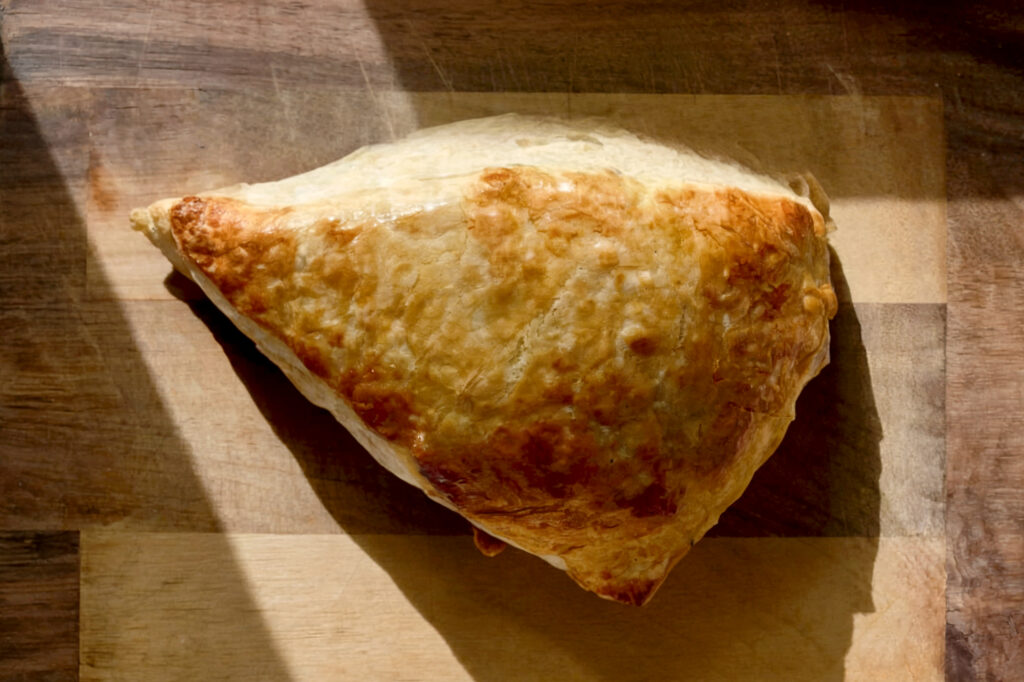
Bake Fluffy Cream Scones: Essential Tips for Tea Time Perfection
There are few culinary delights that encapsulate comfort and elegance quite like a perfectly baked scone. And when we talk about true tea time perfection, the conversation invariably turns to the
classic cream scones recipe. These delightful pastries are a staple of British afternoon tea, promising a tender crumb, a golden crust, and a subtle sweetness that's just begging for a generous dollop of clotted cream and a spoonful of your favorite jam. Unlike their butter-laden cousins, cream scones boast a unique simplicity, relying solely on heavy cream for their rich flavor and incredibly soft texture, making them an ideal starting point for any aspiring baker.
The Allure of the Classic Cream Scone: A British Tradition
The classic cream scone isn't just a pastry; it's a cornerstone of a beloved British tradition: the cream tea. Imagine a leisurely afternoon spent sipping hot tea, accompanied by warm, freshly baked scones, rich clotted cream, and vibrant fruit jam. This delightful ritual, steeped in history, sparks a lively debate between the English counties of Cornwall and Devon, both fiercely claiming ownership of the cream tea and, more famously, dictating the 'correct' order of assembly. Should the jam go first, then the cream (Cornwall's way)? Or, as in Devon, should the scone be spread with cream, followed by jam? While the debate rages, one thing is certain: a classic cream scone is the essential canvas for this delicious disagreement. Personally, I find the Devon method—cream first, then jam—offers a wonderful cushion for the fruit, but experiment and find your own preferred approach!
What sets a cream scone apart from a regular scone? The answer lies in its foundational fat. While traditional scones typically incorporate cold butter, often cut into the flour, along with a liquid like milk or buttermilk,
cream scones streamline the process by using heavy cream as the sole source of fat and liquid. This not only simplifies the ingredient list and the preparation, but it also yields a uniquely tender, softer, and incredibly rich scone. The high fat content in heavy cream ensures a luxurious texture without the need for additional butter. If you're new to scone baking, we highly recommend starting with a
classic cream scones recipe. Their straightforward nature and forgiving dough make them exceptionally beginner-friendly. For a deeper dive into the distinctions, read our article:
Cream Scones vs. Regular: The Secret to a Tender British Treat.
Mastering Your Classic Cream Scones Recipe: The Essential Ingredients
Crafting the perfect fluffy cream scone requires just a handful of quality ingredients. The beauty of this
classic cream scones recipe lies in its elegant simplicity, allowing each component to shine.
- All-Purpose Flour: The foundation of our scones. If you only have self-rising flour on hand, simply omit the baking powder and salt from the recipe, as self-rising flour already contains these leavening agents.
- Heavy Cream (or Whipping Cream): This is the star of the show. You absolutely need heavy cream or whipping cream, which are nearly identical in composition. Heavy cream typically boasts a fat content of around 36%, while whipping cream ranges from 30-36%. Either will work perfectly, as the high fat content is crucial for tenderness and richness (remember, there's no butter!). Do NOT substitute with light cream, half-and-half, or milk, as these lack the necessary fat percentage to achieve the desired texture and rise.
- Granulated Sugar: You'll notice that traditional British scones aren't overly sweet. This is by design! The subtle sweetness of the scone provides a beautiful counterpoint to the rich clotted cream and sweet jam. If you prefer a sweeter scone, you can increase the sugar slightly, but embrace the classic balance.
- Baking Powder: The primary leavening agent, responsible for those beautiful, sky-high rises.
- Salt: Essential for balancing the flavors and enhancing the overall taste.
- Sparkling Sugar (for topping): This isn't just for show – though it certainly adds an enchanting, glittery finish that elevates your scones to tea-party status! Also known as coarse or sanding sugar, sparkling sugar has larger crystals than granulated sugar and is heat-resistant. Sprinkled on before baking, it provides a delightful, sweet crunch that remains intact even after emerging from the oven.
Baking Fluffy Cream Scones: Expert Tips for Success
Achieving those coveted light and fluffy cream scones isn't difficult, but it does benefit from a few key techniques. Follow these expert tips for a truly exceptional result:
- Keep Everything Cold: This is arguably the most critical tip for any scone recipe, and especially for a classic cream scones recipe. Just like with butter in traditional scones, cold cream is paramount. When cold fat (in this case, the fat within the heavy cream) hits the hot oven, it creates steam, which helps the scones rise dramatically, resulting in an airy, tender crumb. For an extra boost, try placing your cut scone dough in the freezer for 15-20 minutes before baking. This ensures maximum chill and maximum rise.
- Minimal Handling is Key: Overworking scone dough is the quickest route to tough, dense scones. The goal is to bring the ingredients together just until they form a cohesive dough.
- Consider Your Mixing Method:
- Food Processor: This is a secret weapon for speed and efficiency. A food processor brings the dough together quickly and thoroughly with minimal human contact, which is ideal for preventing overworking. It’s quick, clean, and ensures even distribution of ingredients.
- By Hand: No food processor? No problem! Cream scones are particularly well-suited for hand mixing. In a large bowl, whisk together your dry ingredients, then create a well in the center. Pour in the cold heavy cream and use a fork or your hands to gently mix until just combined. The dough will be shaggy at first. Turn it out onto a lightly floured surface and gently press it together a few times until it forms a cohesive ball.
- Gentle Shaping and Cutting: Once your dough is formed, gently pat it into a round disc about ¾ to 1 inch thick. Use a sharp biscuit cutter (don't twist it!) for clean edges, which encourages a better rise. If you don't have a cutter, you can simply cut the disc into wedges with a sharp knife. Re-roll any scraps gently, combining them as little as possible.
- Preheat Your Oven Thoroughly: A hot oven is crucial for that initial burst of steam that lifts the scones. Ensure your oven is fully preheated to the recommended temperature before introducing your cold scones.
- Don't Skimp on the Topping: A generous sprinkle of sparkling sugar before baking adds visual appeal and a delightful texture.
Serving Your Perfect Scones and Beyond
Once your gorgeous, golden-brown cream scones emerge from the oven, allow them to cool on a wire rack for a few minutes before diving in. They are best enjoyed warm, split open and generously adorned with clotted cream and your favorite fruit jam – strawberry, raspberry, or blackcurrant are classic choices. For an extra touch of decadence, fresh berries or a drizzle of honey can also be delightful additions. This
classic cream scones recipe is incredibly versatile and forms the perfect base for your tea time rituals.
Feel free to experiment with subtle flavor variations. A touch of vanilla extract in the cream, a pinch of cinnamon, or a hint of citrus zest (lemon or orange) can add a lovely dimension without straying too far from the classic profile. While traditional cream scones are plain, a small amount of dried fruit like currants or raisins could be folded in gently if you desire. If you're looking for more quick and easy scone solutions, check out our guide on
Easy Cream Scones: No Butter, Just Rich & Fluffy Perfection.
Baking cream scones is more than just following a recipe; it's about embracing a tradition and creating moments of joy. With these tips and a reliable
classic cream scones recipe, you're well on your way to baking fluffy, tender scones that will impress your guests and elevate any tea time gathering into a truly special occasion. So, gather your ingredients, fire up your oven, and prepare to indulge in one of life's most simple yet profound culinary pleasures.