Cream Scones vs. Regular: The Secret to a Tender British Treat
Few things evoke the charm of British culinary tradition quite like a perfectly baked scone. These delightful, lightly sweetened pastries are the cornerstone of the famous British cream tea – a ritual beloved across the globe. But within the world of scones, a subtle yet significant distinction often sparks debate among bakers and tea enthusiasts: the difference between a
classic cream scones recipe and its butter-based counterpart. While both offer a comforting treat, the cream scone holds a special place for its unparalleled tenderness, ease of preparation, and luxurious richness. If you're looking to master a genuinely delightful British pastry, understanding the nuances of the cream scone is your first step towards tea time perfection.
The Heart of British Tea Time: Unpacking the Scone Debate
The tradition of afternoon tea, particularly the "cream tea," is steeped in history and charming regional rivalries. Picture this: a warm scone, a dollop of rich clotted cream, and a spoonful of fruity jam, all served alongside a steaming cup of tea. This idyllic scene is central to the British experience. The debate surrounding this tradition isn't just about whether Cornwall or Devon lays claim to its origin, but also about the order in which you dress your scone – cream first, then jam (the Devonian way), or jam first, then cream (the Cornish way). While personal preference ultimately dictates your spread, what's universally agreed upon is the scone itself must be impeccable.
This brings us to the core of our discussion: what sets a cream scone apart from a regular scone? The answer lies in a simple yet profound difference in their primary fat source, which dramatically impacts texture, flavor, and even ease of preparation.
Cream Scones vs. Regular Scones: A Tale of Two Textures
At its heart, the distinction is clear:
*
Cream Scones are made exclusively with heavy cream as their primary fat, completely omitting butter. This unique characteristic is what lends them their signature melt-in-your-mouth tenderness and soft, almost cake-like crumb. The high fat content in heavy cream ensures a rich flavor and a beautifully moist texture without the need for additional liquids. For those new to baking scones, a classic cream scones recipe is often recommended because its straightforward nature and forgiving dough make success almost guaranteed.
*
Regular Scones typically rely on cold butter, cut into flour, along with a liquid like milk, cream, or buttermilk. The butter creates pockets of steam during baking, resulting in a flakier, often more crumbly texture akin to biscuits or shortbread. While delicious in their own right, the technique for incorporating butter correctly can be more challenging for novice bakers, as overworking the dough can lead to tough scones.
For an undeniably tender, rich, and wonderfully soft pastry that's remarkably easy to achieve, the cream scone reigns supreme. Its simplicity is its strength, proving that sometimes, less truly is more.
Crafting Your Perfect Classic Cream Scones: Essential Ingredients
Embarking on a classic cream scones recipe doesn't require an extensive pantry. The beauty lies in a handful of high-quality ingredients working in harmony. Understanding the role of each component is key to achieving that coveted tender crumb.
*
All-Purpose Flour: The foundation of our scones. If you happen to have self-rising flour on hand, you can certainly use it; just remember to omit the baking powder and salt from the recipe, as these are already included in self-rising varieties.
*
Heavy Cream: This is the star of the show and non-negotiable for a true cream scone. You'll want to use heavy cream or whipping cream – they are nearly interchangeable for this purpose. Heavy cream typically boasts a fat content of around 36%, while whipping cream ranges from 30-36%. Both will work beautifully because it's the fat content that provides richness and moisture in the absence of butter. Crucially,
do not substitute light cream or half-and-half; these products lack the necessary fat percentage, which is vital for the scone's structure and tenderness.
*
Granulated Sugar: You might notice that a classic British scone recipe calls for surprisingly little sugar compared to many Americanized versions (think Starbucks-style scones). Traditional British scones are designed to be subtly sweet, acting as a canvas for the vibrant flavors of jam and clotted cream. This lower sugar content allows the accompanying spreads to shine, creating a balanced and less cloying experience.
*
Baking Powder: Our primary leavening agent. Baking powder reacts with the moisture in the cream and the heat of the oven to create carbon dioxide bubbles, giving the scones their desirable lift and airy texture.
*
Salt: A pinch of salt is crucial for balancing the sweetness, enhancing the overall flavor of the flour and cream, and preventing the scones from tasting bland.
*
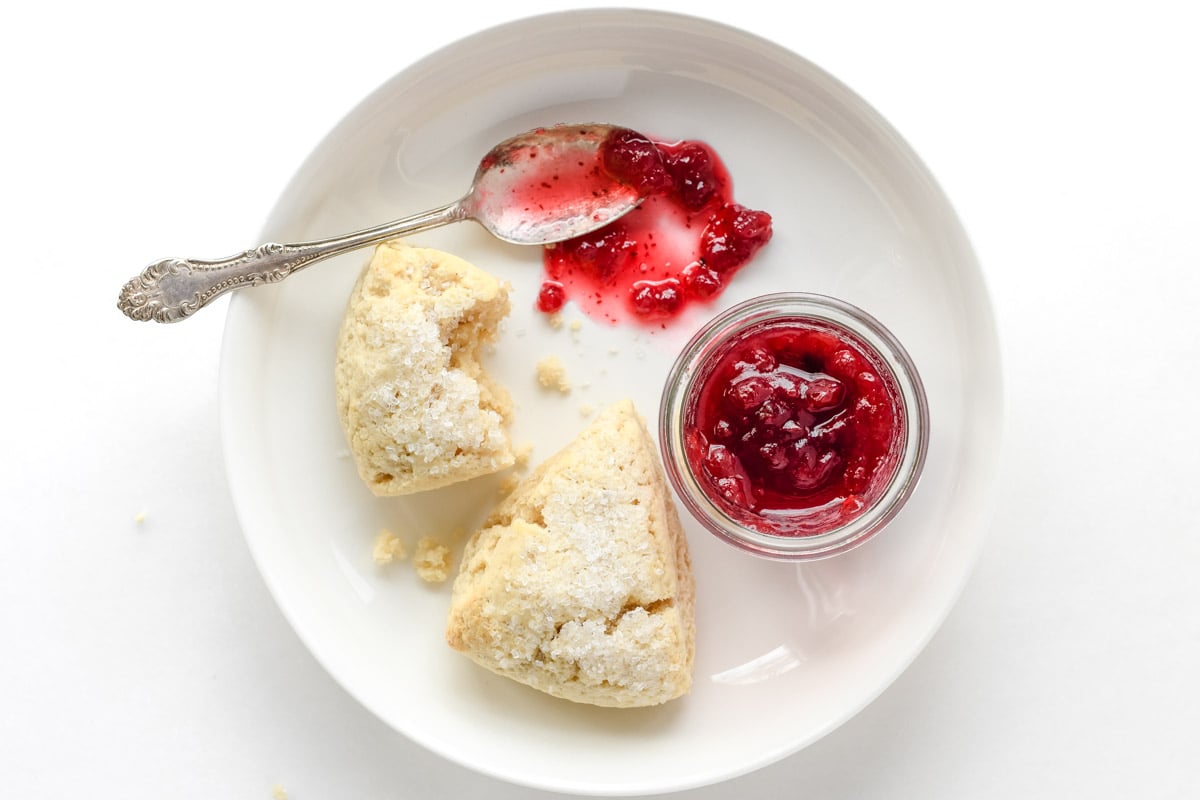
Sparkling Sugar for Topping: While optional, this sparkling garnish is a game-changer.
The Magic of Sparkling Sugar
Sparkling sugar, also known as coarse or sanding sugar, isn't just for show. Its larger, iridescent crystals provide a delightful textural contrast, adding a sweet, crunchy exterior that complements the scone's soft interior. Unlike regular granulated sugar, sparkling sugar is designed to withstand higher oven temperatures without completely melting, ensuring that beautiful glistening effect remains intact after baking. It's the perfect finishing touch, elevating your homemade scones to tea-party status with minimal effort.
Mastering the Art of the Classic Cream Scones Recipe: Pro Tips for Fluffy Perfection
Achieving light, fluffy, and tender scones is less about complicated techniques and more about understanding a few fundamental principles. A classic cream scones recipe simplifies the process, but these tips will ensure consistently perfect results.
Preparation Method: Food Processor vs. Hand Mixing
While the reference context mentions a food processor, it's worth noting that cream scones are incredibly adaptable.
*
Food Processor: Using a food processor is undoubtedly quick, clean, and efficient. It brings the dough together with minimal effort, which is beneficial for scones as overworking the dough can lead to toughness. The processor ensures ingredients are evenly distributed without developing too much gluten.
*
By Hand: For those without a food processor, or who prefer a more tactile baking experience, making cream scones by hand is remarkably easy. Their high cream content makes them more forgiving than butter scones when hand-mixed. Simply combine the dry ingredients in a large bowl, then pour in the cold heavy cream and mix gently with a spoon or your hands until just combined. The key is minimal handling.
Key Baking Tips for Unbeatable Scones
Regardless of your mixing method, these universal scone-baking principles will set you up for success:
*
KEEP EVERYTHING COLD: This is arguably the most critical tip for any scone or biscuit recipe. Cold cream (or butter, in regular scones) creates pockets of steam when it hits the hot oven. This steam is what helps the scones rise dramatically, resulting in a light and airy texture. For an extra boost, consider popping your cut scones into the freezer for 10-15 minutes before baking. This chills the cream even further, maximizing the rise.
*
Handle the Dough Gently: Overmixing or overworking scone dough is the enemy of tenderness. Too much handling develops the gluten in the flour, leading to a tough, chewy scone instead of a tender one. Mix just until the ingredients are combined and the dough comes together. A slightly shaggy dough is perfectly fine.
*
Don't Twist the Cutter: When cutting your scones, press straight down firmly and lift straight up. Twisting the cutter can seal the edges of the scone, impeding its ability to rise evenly and fully.
*
Brush with Cream: For a beautiful golden-brown top and an even softer crust, lightly brush the tops of your cut scones with a little extra heavy cream before baking. This also helps the sparkling sugar adhere.
*
Bake at a High Temperature: Scones benefit from a hot oven (typically around 400-425°F or 200-220°C). The initial blast of high heat helps to set the scone structure quickly and creates that desired "oven spring."
Bake Fluffy Cream Scones: Essential Tips for Tea Time Perfection details more ways to ensure your scones are flawless.
Serving Your Tender British Treat
Once your classic cream scones emerge from the oven, golden and fragrant, the final, delightful step is to serve them. Traditionally, this means with a generous dollop of clotted cream and a spoonful of your favorite fruit jam – strawberry or raspberry are perennial favorites. However, don't limit yourself! Lemon curd, fresh berries, or even a simple pat of good butter can also be wonderful accompaniments. The true essence of a scone is its versatility and ability to complement various flavors.
So, whether you're hosting an elaborate afternoon tea or simply enjoying a moment of quiet indulgence, these tender pastries promise a taste of British tradition. The simplicity of a
classic cream scones recipe ensures that even beginner bakers can achieve bakery-quality results, making them an accessible luxury for any occasion.
In conclusion, while both cream and regular scones have their merits, the cream scone stands out for its unparalleled tenderness, rich flavor, and straightforward preparation. By understanding the critical role of heavy cream and following a few simple tips, you can effortlessly master a classic cream scones recipe, bringing a true taste of British tradition into your home. So, gather your ingredients, embrace the joy of baking, and prepare to delight in a truly tender, luxurious British treat.