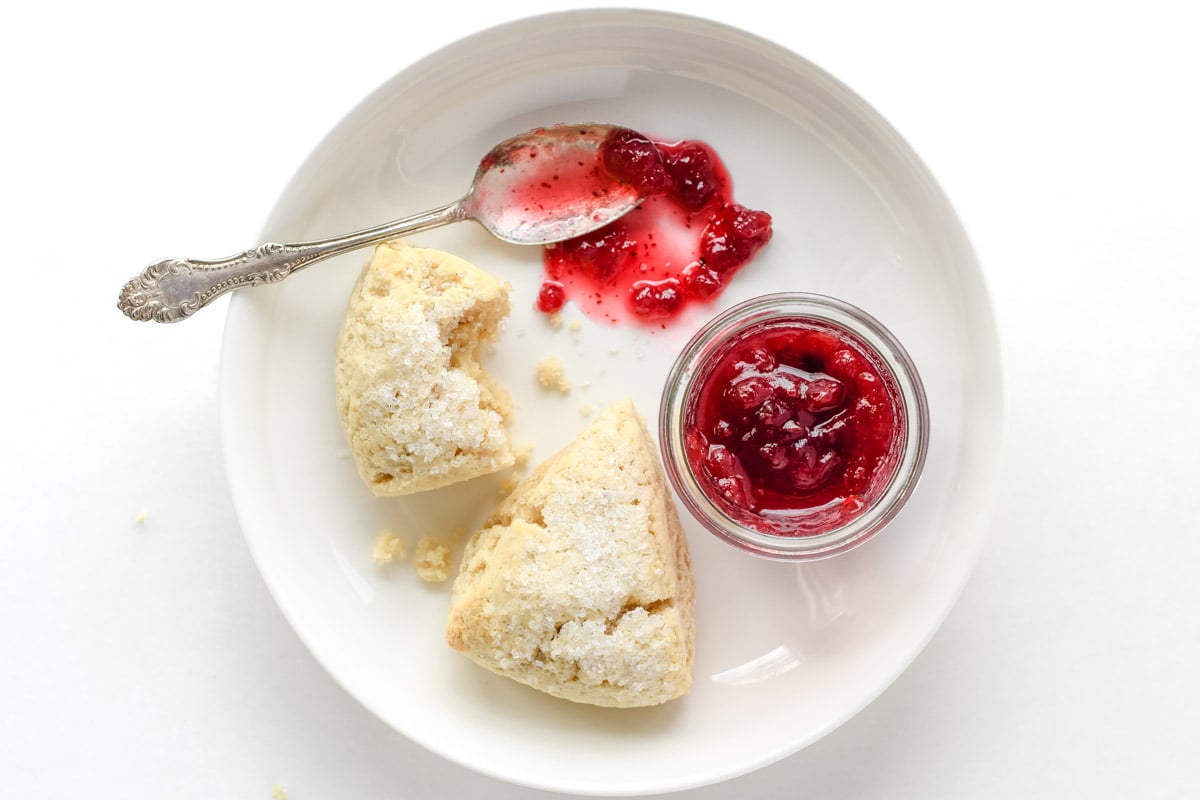
Easy Cream Scones: No Butter, Just Rich & Fluffy Perfection Awaits!
Imagine a warm, tender scone, light as air, with a delicate crust and a soft, inviting interior, just begging for a dollop of clotted cream and a spoonful of sweet jam. Now, imagine achieving this perfection without a single pat of butter. Sounds like a dream? It's not! Welcome to the delightful world of classic cream scones, where richness and fluffiness come from a simpler, more straightforward source: heavy cream. If you've ever felt intimidated by traditional scone recipes, this **classic cream scones recipe** is your gateway to baking bliss.
Forget the fuss of cutting in cold butter; this method streamlines the process, making it incredibly accessible for beginners while delivering a superior texture that seasoned bakers will adore. These easy cream scones are a testament to the fact that sometimes, less is truly more – less complexity, but more flavor and an incomparably tender crumb.
Why Cream Scones Are Your New Go-To Scone Recipe
For many, the thought of baking scones conjures images of precise measurements, cold ingredients, and the laborious task of "cutting in butter." While traditional scones are undeniably delicious, their cream-based cousins offer a remarkably simple alternative that doesn't compromise on taste or texture. The magic lies in the heavy cream itself. When used as the primary fat and liquid, it imbues the dough with an inherent richness and moisture that results in scones that are exceptionally tender, moist, and possess a wonderfully soft crumb.
This simplicity makes cream scones an ideal starting point for anyone new to baking or those looking for a quick and satisfying treat. You bypass the technique of blending butter into flour, a step that can often be tricky to master. Instead, the cream acts as a unifier, effortlessly bringing the dough together while contributing to the signature tenderness that defines this beloved pastry. It’s a truly gratifying experience to whip up a batch of these with minimal effort, yielding results that taste like they came from a high-end bakery.
The British Cream Tea Debate: A Scone's True Calling
To truly appreciate the **classic cream scones recipe**, one must understand its revered place in the quintessential British tradition of cream tea. This delightful ritual involves indulging in afternoon tea accompanied by freshly baked scones, rich clotted cream, and a selection of preserves. It's a moment of pure culinary comfort and elegance.
However, even in such a refined tradition, there's room for spirited debate! The historic counties of Cornwall and Devon both fiercely claim ownership of the cream tea, each adhering to their own serving etiquette. The most famous point of contention? Whether the clotted cream or the jam should be spread first onto the split scone. In Cornwall, jam typically goes first, followed by cream. In Devon, the scone is generously slathered with clotted cream, and then crowned with a spoonful of jam. While both methods lead to deliciousness, I confess a personal leaning towards the Devon way – a thick layer of cream provides the perfect canvas for the vibrant sweetness of the jam. No matter your preference, the experience of a warm cream scone with these accompaniments is unparalleled.
Decoding the Deliciousness: Cream Scones vs. Regular Scones
At first glance, cream scones and regular scones might seem interchangeable, but there's a fundamental difference that sets them apart, profoundly impacting their texture and preparation. The key distinction lies in their fat content.
* **Cream Scones**: These are characterized by their exclusive use of heavy cream as the primary fat source. There's no butter involved. The high fat content in heavy cream (typically 36% or more) provides all the necessary richness, resulting in a scone that is incredibly tender, moist, and often boasts a softer, more delicate crumb. They are also notoriously easier to make because you don't have to worry about incorporating cold butter into the flour.
* **Regular Scones**: These typically rely on cold butter, which is cut into the flour, and often include a touch of liquid like buttermilk or light cream. The butter melts and creates steam pockets during baking, contributing to a flaky, layered texture. While equally delicious, the butter-cutting step can be more time-consuming and requires a bit more technique to avoid overworking the dough.
If you're curious to dive deeper into the nuances and discover which style truly reigns supreme for your palate, explore our detailed comparison in
Cream Scones vs. Regular: The Secret to a Tender British Treat. But for ease, tenderness, and pure unadulterated richness, the **classic cream scones recipe** is truly unbeatable.
Essential Ingredients for Your Classic Cream Scones Recipe
One of the beautiful aspects of this **classic cream scones recipe** is its short and simple ingredient list. Each component plays a vital role in achieving that perfect fluffy texture and rich flavor.
* **All-Purpose Flour**: The foundation of our scones. For consistent results, stick with standard all-purpose flour. If you happen to only have self-rising flour on hand, remember to omit the baking powder and salt from the recipe, as these leavening agents are already pre-mixed into self-rising varieties.
* **Heavy Cream**: This is the star of the show! It's crucial to use heavy cream or whipping cream. These products have a fat content of at least 30-36%, which is essential since there's no butter in the recipe. The fat is what provides the richness and contributes to the tender crumb. Do *not* substitute with light cream, half-and-half, or milk, as they simply won't have enough fat to yield the desired texture and rise. The colder the cream, the better, as we'll discuss in the tips section.
* **Granulated Sugar**: You'll notice this recipe isn't overly sweet, and that's intentional. Traditional British scones are designed to be a canvas for the sweetness of jam and clotted cream. They offer a subtle sweetness that balances the rich dairy and tangy fruit. If you prefer a sweeter scone, you can increase the sugar slightly, but embrace the classic balance first!
* **Baking Powder**: Our primary leavening agent. It's responsible for those beautiful, sky-high rises, creating the characteristic fluffy texture. Ensure your baking powder is fresh for optimal results.
* **Salt**: A small but mighty ingredient that balances the flavors and enhances the sweetness of the sugar. Don't skip it!
The Magic of Sparkling Sugar
While optional, a sprinkle of sparkling sugar (also known as coarse or sanding sugar) before baking elevates your cream scones from simple pastries to tea-party showstoppers. These larger, crystalline sugar granules are heat-resistant, meaning they won't melt away in the oven. Instead, they form a glistening, crunchy topping that adds both visual appeal and a delightful textural contrast. It’s like adding edible glitter, giving your homemade treats that professional, irresistible finish.
Mastering the Technique: Tips for Light & Fluffy Perfection
Achieving truly light and fluffy cream scones is surprisingly easy, especially with a few key techniques in mind.
* **Keep Everything COLD**: This is perhaps the most critical tip for any scone recipe, and it applies doubly to cream scones. Just like cold butter in regular scones, cold heavy cream creates steam when it hits the hot oven. This steam is what helps the scones rise dramatically, resulting in an airy, tender crumb. I even recommend chilling your flour and mixing bowl for 15-20 minutes before you begin, and definitely pop your cut scones into the freezer for 15 minutes before baking to ensure they're as cold as possible.
* **Minimal Handling is Key**: Overworking the dough is the enemy of tender scones. Too much kneading or mixing develops the gluten in the flour, leading to tough, dense scones. Mix just until the ingredients are combined and a shaggy dough forms. Even better, if you have a food processor, this step becomes even easier.
* **The Food Processor Advantage**: For speed, cleanliness, and ensuring minimal handling, a food processor is an absolute game-changer for this **classic cream scones recipe**. It quickly brings the ingredients together into a cohesive dough without overworking it. If you don't have one, don't worry! Cream scones are the easiest to make by hand in a bowl compared to butter-based recipes. Just use a light touch and work quickly.
* **Don't Twist the Cutter**: When cutting your scones, press straight down and lift straight up. Twisting the cutter can seal the edges of the dough, hindering the rise.
* **Give Them Space**: Arrange your cut scones on a baking sheet so they have a little room to breathe but are still relatively close. This slight proximity can help them rise higher and stay moist.
By following these simple guidelines, you'll be well on your way to baking batches of perfect, fluffy cream scones every single time. For an even deeper dive into achieving the ultimate texture and rise, check out our comprehensive guide on
Bake Fluffy Cream Scones: Essential Tips for Tea Time Perfection.
Serving Your Scones: The Grand Finale
Once your cream scones emerge from the oven, golden brown and fragrant, the best part begins: serving them! While truly divine on their own, the classic presentation with clotted cream and your favorite jam (strawberry or raspberry are traditional favorites) is an experience not to be missed. For an extra touch of indulgence, a few fresh berries or a drizzle of honey can also complement their rich, subtle sweetness.
Embrace the Simplicity of Cream Scones
Making homemade scones doesn't have to be a daunting task. This **classic cream scones recipe** offers a straightforward, butter-free approach to achieving pastries that are exquisitely rich, tender, and wonderfully fluffy. From the effortless preparation to the pure joy of a British cream tea experience, these easy cream scones are a delightful addition to any baker's repertoire. So, gather your simple ingredients, embrace the cold, and get ready to enjoy truly perfect scones that will impress without the stress. Happy baking!